
Our progress so far
Proxima is turning stellarator science into industrial capability and supply chains on the path to building the world’s first stellarator fusion power plant.
Record-breaking operation of Wendelstein 7-X (W7-X), the world’s most advanced stellarator at the Max Planck Institute for Plasma Physics (IPP)
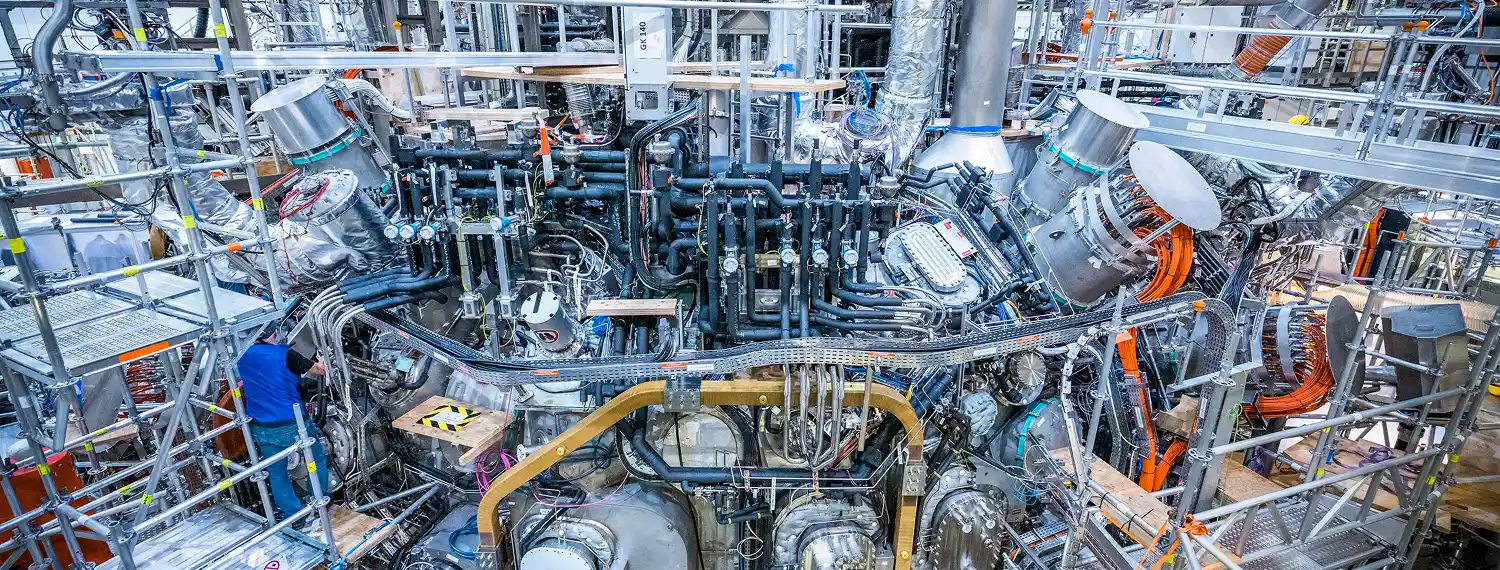
Spin-out of Proxima from IPP, to build directly on the success of W7-X
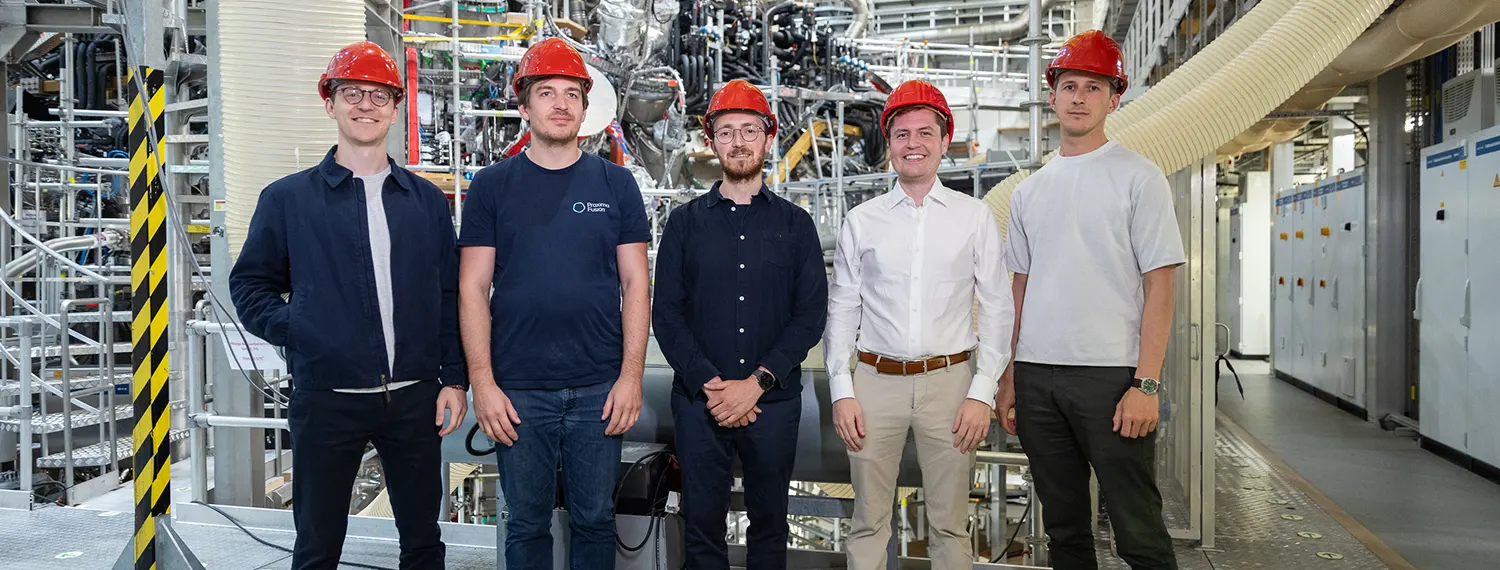
Publication of peer-reviewed Stellaris fusion power plant concept - first-of-a-kind design for a stellarator fusion power plant

Completion of the Stellarator Model Coil (SMC) demo magnet and the design for demo stellarator Alpha
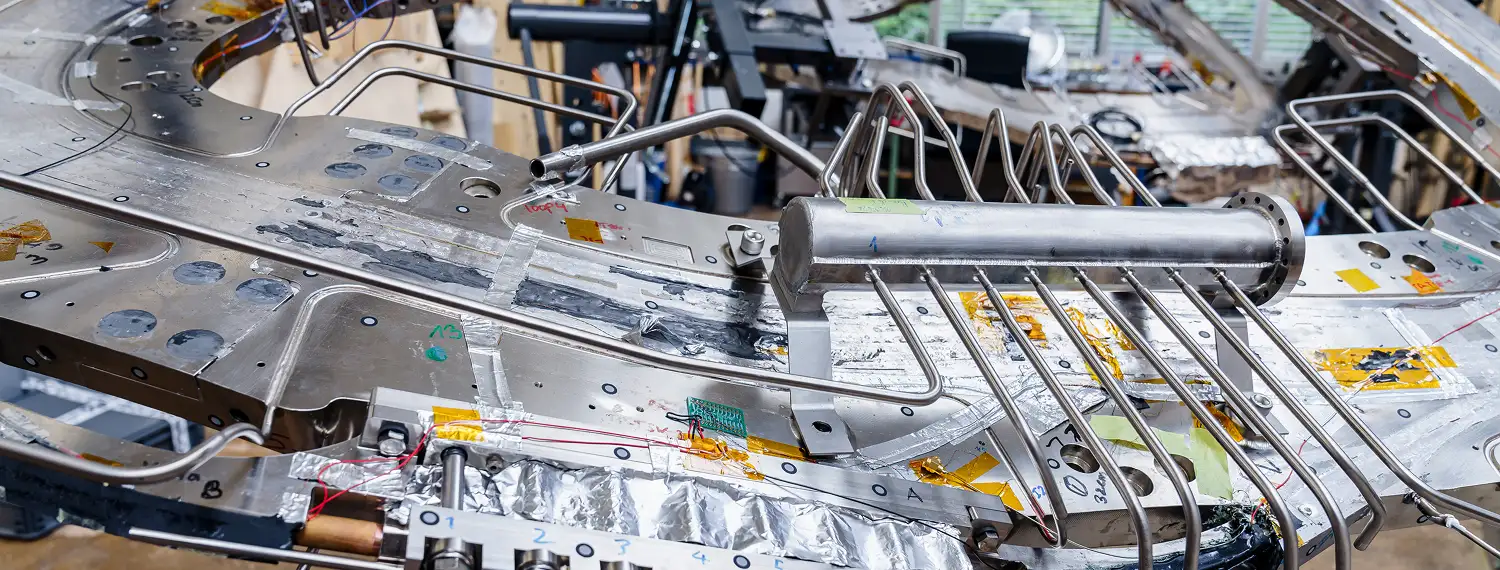
Alpha - The demo stellarator that will first achieve net energy gain
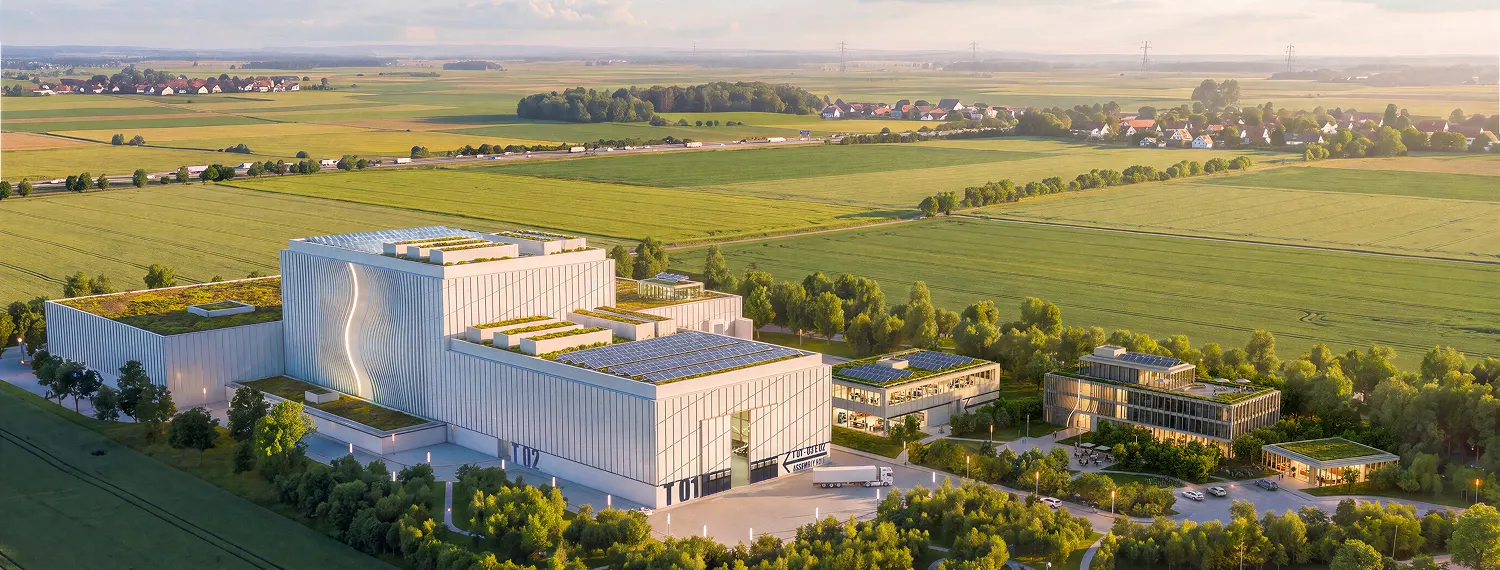
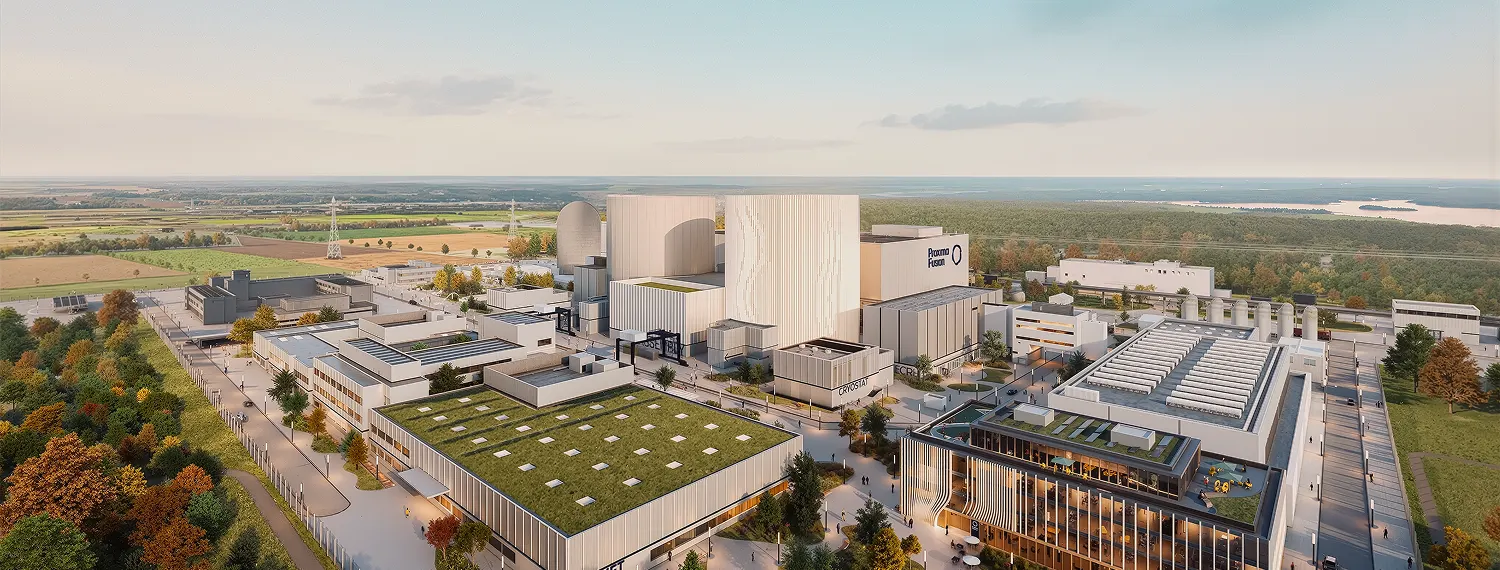
Stellaris - The stellarator fusion power plant that will first put fusion electricity on the grid
Our team
Our team of 200+ world-class scientists, engineers, and operators has been assembled from some of the world’s most innovative companies and institutions, including the Max Planck IPP, TUM, MIT, SpaceX, Tesla, McLaren, Google X, EPFL, Stanford, KIT, Harvard, Imperial and Cambridge.
We work closely with world-leading fusion research institutions, including the Max Planck Institute for Plasma Physics (IPP), the Karlsruhe Institute of Technology (KIT), and the Research Center of Jülich, the UK Atomic Energy Authority and the French Center for Atomic Energy, leveraging decades of research and experience from the European fusion ecosystem.









Our partners
Scientific partner
Proxima Fusion was spun out of the Max Planck Institute for Plasma Physics (IPP) and is rooted in the scientific foundation established by Wendelstein 7-X, IPP’s flagship stellarator. Today, IPP is Proxima’s scientific partner for Alpha, bringing decades of stellarator research to the program as we advance towards the next generation of fusion machines.
Strategic partners
RWE and the Free State of Bavaria are strategic partners in Proxima Fusion’s path from Alpha to Stellaris. Together, they bring public commitment and large-scale energy expertise to Alpha in Garching and plans for magnet manufacturing and Stellaris at RWE’s Gundremmingen site – helping turn stellarator science into a new fusion energy industry. Read more.
Industry partners
Proxima Fusion’s industrial consortium, the Alpha Alliance, brings together 50+ industrial companies and public research institutions with deep expertise in the design, manufacturing, and integration of components for fusion devices, aligning Europe’s strong fusion ecosystem behind a concrete engineering project.
Our investors
Proxima Fusion has raised approximately €650 million ($740 million) in private and public funding, partnering with leading investors as well as European governments.
Our locations
Proxima is headquartered in Munich, with additional offices and labs at the Paul Scherrer Institute (PSI) in Switzerland and on the UK’s Culham Campus.

Munich, Germany
The site of Proxima’s company headquarters and lab, near the Max Planck Institute for Plasma Physics (IPP).

Zurich, Switzerland
The site of our magnet lab at the Paul Scherrer Institute (PSI).
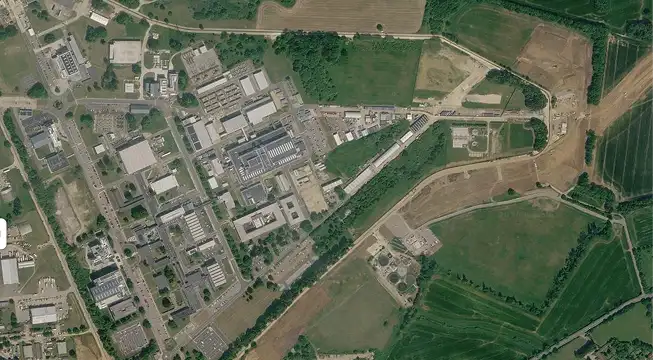
Oxford, United Kingdom
The site of our office on the UK Atomic Energy Authority (UKAEA)’s Culham Campus.
FAQ